Skip to content
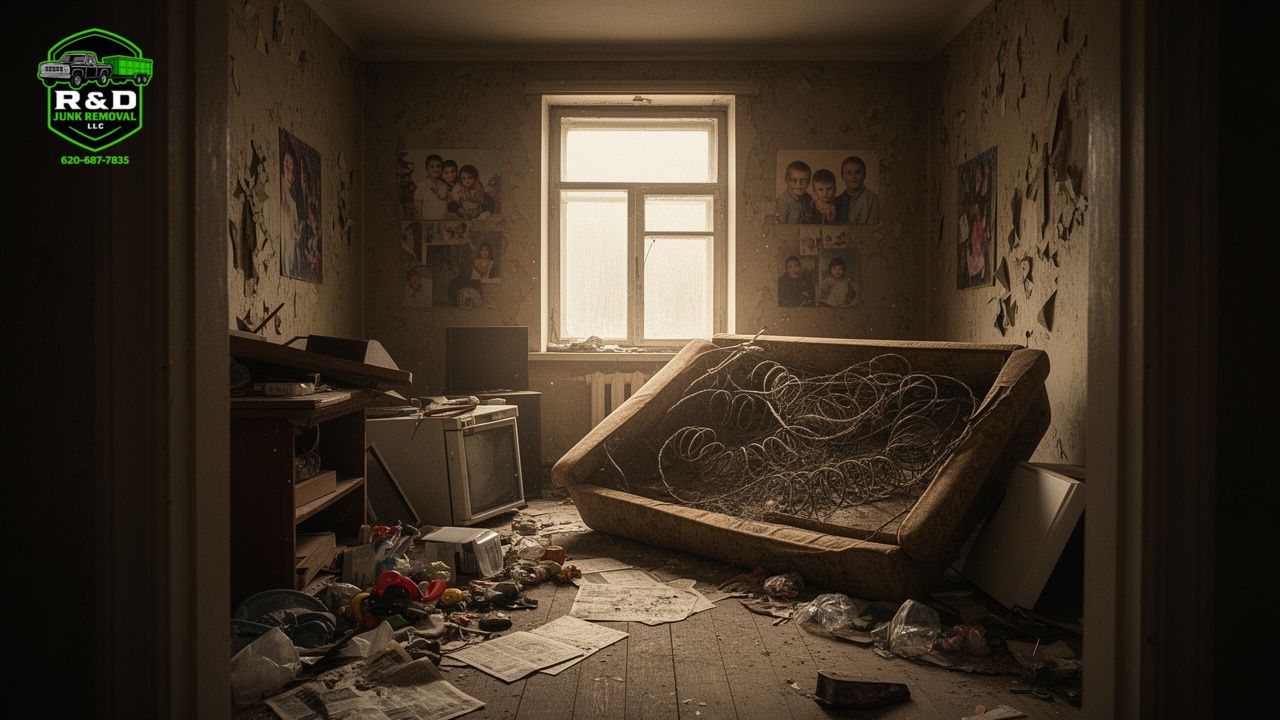
Eviction cleanout services provide a specialized solution for property owners who must clear out a rental unit after a tenant is legally removed. These services involve the removal of furniture, trash, and personal belongings left behind, followed by a deep cleaning to make the property ready for new occupants. By hiring professionals, landlords minimize the time a unit remains vacant, which directly protects the monthly cash flow of the investment.
Efficiently managing a rental property requires a quick turnaround after an eviction. This guide explains the logistics, legal requirements, and practical steps involved in clearing a property. R&D Junk Removal LLC offers these details to help property managers navigate the physical and regulatory demands of a post-eviction environment.
The Scope of Professional Eviction Cleanup
Professional cleanout services go beyond simply hauling away old bags of trash. A complete rental property junk removal service handles heavy furniture, appliance removal services, and sometimes hazardous materials that tenants leave behind. According to data from TransUnion SmartMove, the average eviction can cost a landlord around $3,500 in legal fees and lost rent, making a fast cleanup essential to stop further financial loss.
When a tenant is evicted, the property often contains a mix of valuable items and actual refuse. Professionals categorize these items to ensure that the disposal follows local environmental rules. For example, electronics and chemicals require specific handling that standard trash pickup will not provide.
Legal Considerations for Abandoned Property
Landlords cannot simply throw away everything they find the moment a tenant leaves. Most states have state-specific laws regarding how long a landlord must store abandoned items. A summary of these rules from Nolo explains that landlords must often notify the former tenant and provide a grace period, typically ranging from 7 to 30 days, before disposing of the property.
Before starting an eviction cleanout process, a landlord should document the condition of the unit. Taking photos of every room serves as evidence if a tenant later claims that valuable items were stolen or destroyed. Once the legal waiting period expires, the landlord has the right to clear the space completely.
Bonus Tip: Always check local statutes regarding “notice of belief of abandonment.” Sending this formal notice can sometimes shorten the required storage time in certain jurisdictions.
Steps in the Eviction Cleanout Process
The physical work of a property management cleanout follows a logical sequence to ensure nothing is missed and the property remains undamaged.
- Initial Walkthrough: Assess the volume of junk and identify any items that require special disposal, such as tires or old paint cans.
- Item Sorting: Separate items into categories: donations, recycling, and landfill waste.
- Heavy Lifting: Remove large furniture pieces like mattresses, couches, and dressers that can block hallways and doorways.
- Detail Cleaning: Once the junk is gone, the unit requires a deep clean, including carpets, walls, and appliances, to meet “move-in ready” standards.
Comparing Cleanup Options for Landlords
Choosing between a DIY approach and a professional service depends on the scale of the mess and the value of the landlord’s time.
| Feature | DIY Cleanout | Professional Service |
| Time Commitment | High (days or weeks) | Low (usually 1 day) |
| Physical Labor | Significant (landlord handles all) | None (team handles all) |
| Disposal Fees | Paid per load at the dump | Included in the service price |
| Liability Risk | High (potential injury or legal error) | Low (insured professionals) |
| Equipment Needed | Truck, dollies, cleaning supplies | Provided by the service |
Market Data on Rental Turnaround
Beyond the physical labor involved, the speed of the eviction cleanout process directly impacts the annual return on a rental property. Research from iPropertyManagement shows that some states see eviction rates as high as 6% annually. Every day a unit sits full of abandoned property is a day it is not earning income.
Reducing the “vacancy gap” is the primary goal of any foreclosure and eviction cleanup. If a landlord spends three weeks cleaning a unit themselves, they lose nearly a full month of rent. A professional crew can often finish the same task in six to eight hours.
Things to Consider Before Making a Decision
Before hiring a company for tenant junk removal, landlords should evaluate several factors to ensure they receive the best value and remain compliant with the law.
- Insurance Coverage: Ensure the company carries general liability insurance. If a worker damages a wall or gets injured on the property, the landlord should not be held responsible.
- Disposal Methods: Ask where the items go. Reputable companies prioritize recycling and donations over simply filling up a landfill.
- Response Time: In the rental industry, time is money. A company that can arrive within 24 to 48 hours is more valuable than a cheaper one with a two-week waitlist.
- Pricing Transparency: Look for flat rates or clear volume-based pricing. Hidden fees for stairs, heavy items, or fuel can quickly inflate a budget.
Bonus Tip: Request a “sweep-clean” finish. Some haulers only take the big items, leaving the landlord to still deal with dust and small debris. A full-service provider should leave the floors clear of all loose trash.
Common Questions About Post-Eviction Maintenance
Beyond the physical cleanup, many property owners find themselves overwhelmed by administrative and health concerns. It is common to wonder if the security deposit covers these costs. In most cases, landlords can deduct cleanup and repair costs from the security deposit, provided they keep detailed receipts and follow state notification laws.
Another common concern involves the presence of pests. If an evicted tenant leaves rotting food or piles of clothes, it may attract rodents or insects. In these cases, the cleanout must happen immediately to prevent an infestation from spreading to neighboring units.
Understanding Abandoned Property Cleanup
The physical labor involved in preparing a rental property for the next tenant is often more than one person can handle safely. Abandoned property frequently includes heavy appliances or water-damaged furniture that poses significant health risks. Using specialized equipment like industrial dollies and protective gear ensures the job is done without damaging the property’s floors or door frames.
When dealing with foreclosure and eviction cleanup, the scale is often much larger. These properties might have been neglected for months, leading to mold or structural issues hidden under piles of trash. A professional team knows how to identify these problems early so the landlord can call in specialized contractors for repairs.
Frequently Asked Questions
How long does a typical eviction cleanout take?
Most residential cleanouts for a standard two-bedroom apartment are completed in four to six hours. Larger homes or properties with significant hoarding issues may take a full day or more.
Can the cleanout service help with minor repairs?
While many junk removal companies focus solely on hauling, some offer basic “make-ready” services like removing old carpets or taking down damaged blinds. It is best to clarify the scope of work before the crew arrives.
What happens to the items that are still in good condition?
Professional services often have partnerships with local charities and recycling centers. Items that are functional and clean are usually donated, while metal, plastic, and electronics are taken to recycling facilities.
Is a landlord responsible for hazardous waste left by tenants?
Yes, the property owner is ultimately responsible for the legal disposal of any materials on the property. Professional cleanout services can often handle common household chemicals, but extremely hazardous materials might require a specialized abatement team.
Choosing the Right Path for Your Property
Managing an eviction is a stressful experience for any property owner. The priority should always be returning the unit to the market as quickly as possible. By understanding the legal requirements for abandoned property and the efficiency of professional services, landlords can make informed choices that protect their investment. Evaluate the volume of debris, the local disposal regulations, and the potential lost rent before deciding to handle a cleanout personally. Often, the speed and safety of professional assistance provide the most logical path forward.
Professional Support for Your Rental Units
R&D Junk Removal LLC provides reliable solutions for property managers and landlords facing difficult cleanouts. When a tenant leaves a mess, getting the property back in order is the first step toward finding a new, reliable renter. For assistance with your next project, contact R&D Junk Removal LLC via email at [email protected] or by calling (620) 687-7835 to discuss the specific needs of your rental property.
Sources
- TransUnion SmartMove – A leading provider of tenant screening services that publishes data on the financial impact of evictions on landlords.
- Nolo – A legal resource website providing detailed guides on state-specific laws regarding abandoned property and landlord-tenant rights.
- iPropertyManagement – A platform offering industry statistics and research regarding rental market trends and eviction rates across the United States.
- Zillow – A real estate marketplace that provides data on rental vacancy costs and property management best practices.