Skip to content
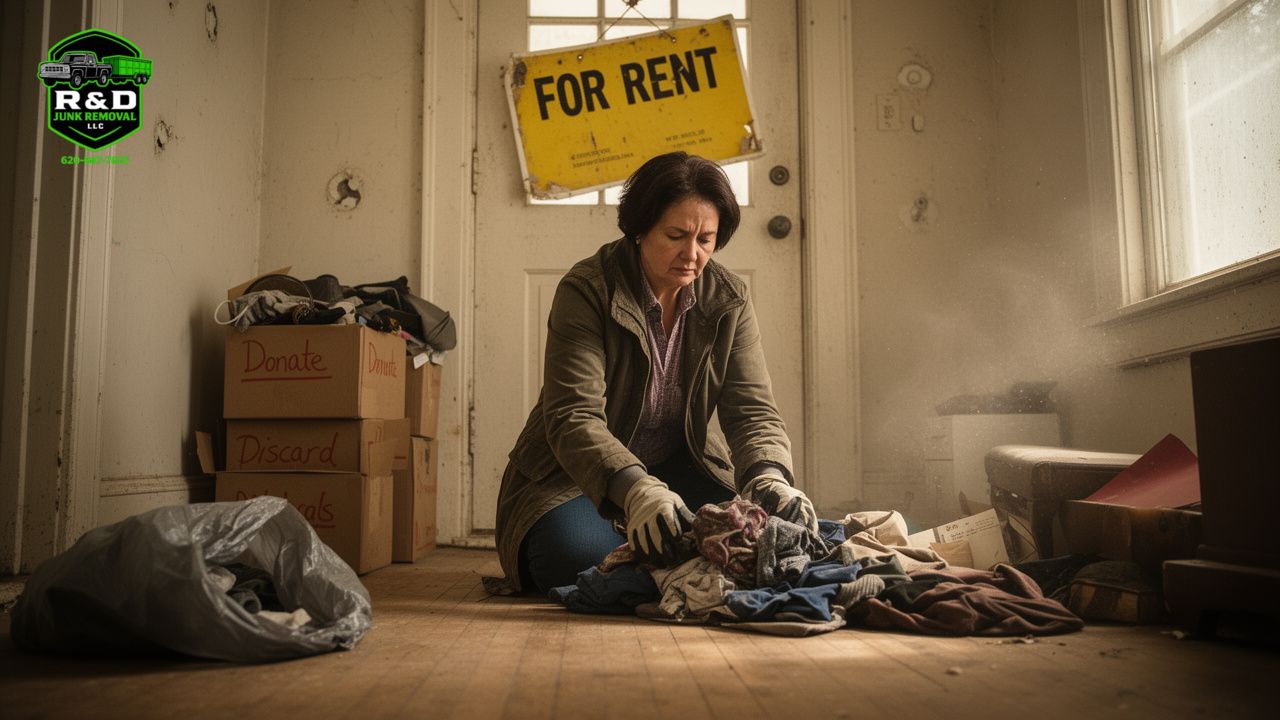
The foreclosure cleanout process follows a systematic sequence: property securing, safety assessment, item sorting, debris removal, and deep sanitization. Property managers must execute these steps quickly to minimize holding costs and prepare the asset for listing. Successfully managing foreclosure junk removal involves documenting the initial state of the home, separating hazardous waste from general trash, and ensuring all personal items are handled according to local abandonment laws.
This guide provides a comprehensive breakdown of how to clean a foreclosed property effectively. Following these established procedures helps property managers maintain compliance, protect the physical structure, and restore the home to a marketable condition. R&D Junk Removal LLC provides these insights to help streamline the transition from a vacant, cluttered space to a property ready for its next occupant.
Initial Assessment and Security
The first stage of the vacant property cleanout process begins with securing the perimeter and assessing the interior conditions. Property managers should change all locks and install lockboxes immediately upon gaining legal possession. This prevents former occupants or unauthorized individuals from re-entering the home during the cleanup phase.
During the initial walkthrough, every room requires a thorough inspection. Property managers must document the condition of walls, flooring, and fixtures with high-resolution photographs. These photos serve as a record for insurance purposes and help identify areas that require specific foreclosure property debris removal efforts.
Safety is a primary concern during this assessment. Property managers should check for structural damage, mold, or pest infestations that could pose risks to workers. Turning off the main water valve prevents potential flooding if pipes have been damaged or removed.
Bonus Tip: Carry a high-powered flashlight even during the day. Foreclosed homes often have boarded windows or disconnected electricity, making it difficult to spot floor hazards or hidden pests in dark corners.
Foreclosure Cleanup Checklist
A structured approach ensures no part of the bank-owned property cleanup is overlooked. The following table outlines the primary phases of the project and the specific requirements for each.
| Phase | Key Tasks | Primary Goal |
| Preparation | Lock changes, utility checks, photo documentation | Establish site control and safety |
| Sorting | Categorizing items into trash, recycling, and donations | Reduce disposal costs and follow laws |
| Hazard Removal | Identifying paints, chemicals, and medical waste | Ensure environmental compliance |
| Bulk Extraction | Removing furniture, appliances, and carpets | Clear floor space for cleaning |
| Deep Clean | Scrubbing surfaces, odor removal, and floor care | Restore aesthetic appeal for sale |
| Exterior Care | Lawn mowing, bush trimming, porch clearing | Improve curb appeal |
Item Classification and Legal Compliance
Handling personal belongings left behind requires strict adherence to state statutes. Many jurisdictions mandate that property managers store items of value for a specific period before disposal. Identifying these items early in the foreclosure junk removal process prevents legal disputes with former owners.
Property managers should categorize all items into four groups: trash, recyclables, donations, and "hold" items. Valuable assets like electronics, jewelry, or legal documents must be cataloged and stored safely. General household debris and broken furniture usually fall under foreclosure trash removal.
According to a report from The National Association of Realtors, the physical condition of a home is a top factor in how quickly it sells and for what price. Clearing out clutter is the most cost-effective way to improve this condition.
Hazardous Material Management
Foreclosed properties often contain materials that cannot be thrown into a standard dumpster. These include old paint cans, motor oil, cleaning chemicals, pesticides, and batteries. Improperly disposing of these items can lead to significant fines.
Property managers must identify these materials during the assessment. Specialized foreclosure cleanout services often have protocols for transporting these items to designated hazardous waste facilities. If a property manager is handling the cleanup independently, they must contact local waste management to find the nearest drop-off point for chemicals.
Biological hazards also require attention. If the property contains animal waste or rotting food, workers must use appropriate personal protective equipment, including N95 masks and heavy-duty gloves. By addressing these risks first, property managers create a safe environment for the subsequent removal of larger items.
Detailed Debris and Bulk Removal
Once items are sorted and hazards are contained, the heavy lifting begins. Bulk removal involves clearing out large furniture, appliances, and piles of miscellaneous debris. This stage often requires heavy equipment or large-capacity trucks to handle the volume of material.
Focus on the "top-down" method by starting on the highest floor and working toward the exit. This prevents re-contaminating areas that have already been cleared. In many cases, preparing a foreclosed home for sale requires removing old, stained carpeting or damaged laminate flooring to reveal the subfloor or original hardwoods.
A study published by ATTOM Data Solutions indicates that foreclosure activity continues to impact various markets across the country. For property managers, this means maintaining a reliable system for foreclosure cleanout services to handle high volumes of debris efficiently.
Bonus Tip: Check the attic and crawl spaces early. These areas are often overlooked and can contain significant amounts of old insulation or hidden debris that add unexpected time and cost to the project.
Interior and Exterior Deep Cleaning
After the foreclosure property debris removal is finished, the home usually remains in a dusty, neglected state. A deep clean is necessary to remove odors and surface grime. This includes scrubbing walls, cleaning inside cabinets, and sanitizing bathrooms and kitchens.
Property managers should pay special attention to the HVAC system. Replacing air filters and cleaning vents can significantly improve the smell of a house that has been vacant for months. If the property has a persistent odor from pets or tobacco, using an industrial ozone machine or specialized odor-blocking primers on the walls might be necessary.
Exterior maintenance is equally important for preparing a foreclosed home for sale. This involves removing yard waste, clearing overgrown brush, and ensuring the entryway is clean. Curb appeal often dictates the first impression for potential buyers or inspectors.
Documentation and Final Inspection
The final step in the foreclosure cleanout process is a closing inspection. Property managers should walk through the entire site with the original assessment photos to ensure every task was completed.
Take a new set of "after" photos from the same angles as the "before" photos. These images provide proof of work for the bank or asset management company. They also document that the property was left in a safe, clean condition, protecting the manager from liability if issues arise later. Collect all disposal receipts and weigh bills to prove that junk was discarded at authorized facilities.
Things to Consider Before Starting
Before selecting a method for property management junk removal, several factors influence the timeline and budget.
- Volume of Debris: Estimating the total cubic yardage of junk helps determine if a standard dumpster is sufficient or if professional hauling is required.
- Legal Hold Requirements: Verify local laws regarding how long personal property must be kept before it can be legally discarded.
- Safety Hazards: Identify if the property has signs of structural instability, meth lab residue, or significant mold growth that requires specialized remediation.
- Timeline: Determine how quickly the property needs to be on the market. DIY cleanouts take longer than professional services.
- Access Constraints: Consider narrow driveways, low-hanging trees, or parking restrictions that might hinder large junk removal trucks.
Common Questions
Property managers often inquire about the strategic costs and legal nuances involved in these projects. Most foreclosure cleanout services price their work based on the volume of debris and the labor required for sorting. It is a common misconception that all items in a foreclosure can be thrown away immediately; understanding the difference between general trash and "distressed assets" is vital for avoiding legal trouble.
Another frequent concern involves the utilities. While it is generally easier to clean a property when the water and electricity are turned on, the property manager must first ensure there are no leaks or electrical shorts.
FAQ
How long does a typical foreclosure cleanout take?
Most residential properties can be cleared within one to three days. The timeframe depends on the volume of debris and whether any hazardous materials or structural repairs are involved. Larger estates or properties with extreme hoarding conditions may take a week or longer.
Can I sell the items left behind in a foreclosed home?
Property managers must follow state laws regarding abandoned property. In many areas, you cannot sell or dispose of items until a specific notice period has passed. Once the legal requirements are met, any proceeds usually go toward the outstanding debt on the property rather than to the property manager.
Do I need a permit for a foreclosure cleanout?
While a permit for cleaning is rarely required, you might need permits for large dumpsters placed on public streets. Always check local municipal codes regarding container placement and debris hauling to avoid fines.
What should I do if I find hazardous chemicals?
Never put chemicals, oils, or paints into a standard trash bin or dumpster. Separate these items and contact a local hazardous waste disposal site. Many foreclosure cleanout services include the proper transport and disposal of these materials as part of their service.
Direct Guidance for Property Managers
Effectively managing a foreclosure cleanout requires a balance between speed and thoroughness. Property managers should focus on creating a repeatable system that prioritizes safety and legal compliance. By documenting every stage of the process, from the initial walkthrough to the final sweep, managers protect themselves from liability and ensure the asset is ready for the market. Evaluate the specific needs of each property and determine if the internal team has the equipment and time to handle the volume, or if professional assistance is the more efficient choice for long-term asset preservation.
R&D Junk Removal LLC
For assistance with property management junk removal or to schedule foreclosure cleanout services, contact R&D Junk Removal LLC. The team provides efficient foreclosure junk removal to help restore properties quickly. Reach out via email at [email protected] or call (620) 687-7835 to discuss your specific property needs.
Sources
- The National Association of Realtors – Professional organization providing data on property values and market preparation.
- ATTOM Data Solutions – A leading provider of comprehensive real estate data and foreclosure market trends.
- Environmental Protection Agency – Official resource for guidelines on the safe disposal of hazardous household waste.