Skip to content
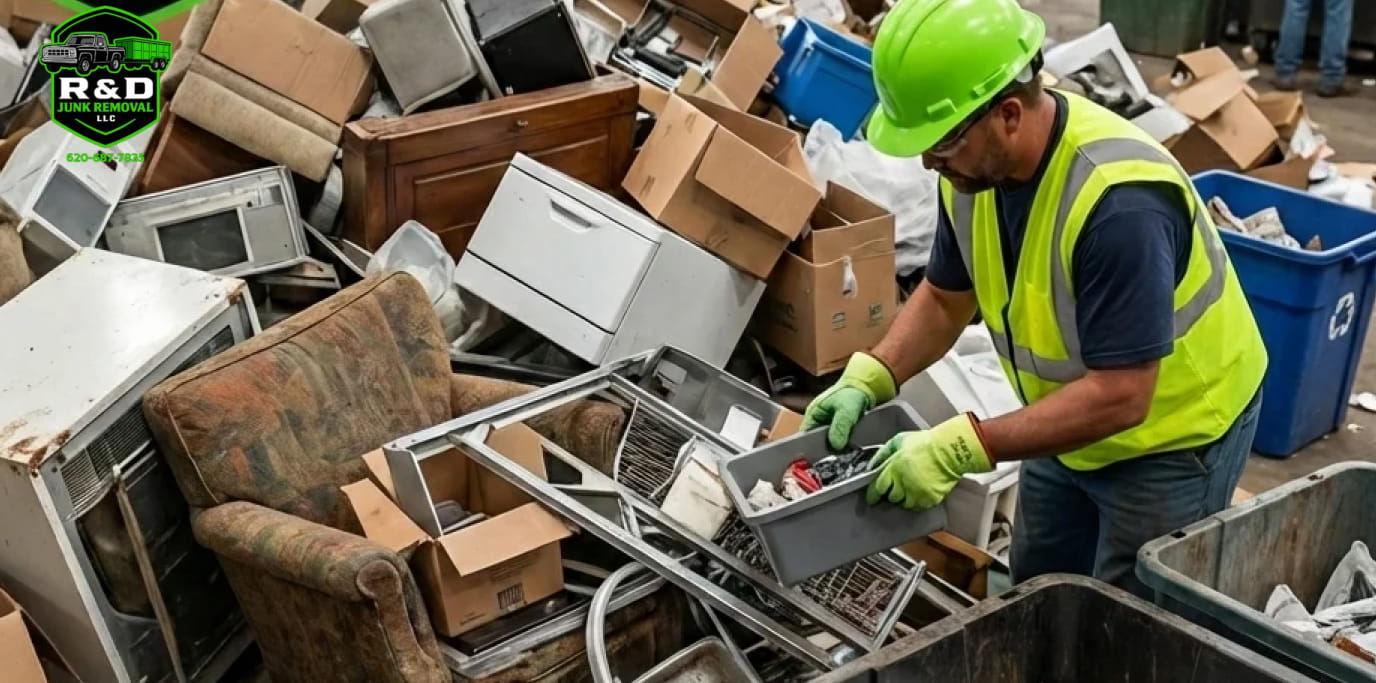
The national average for junk removal services typically ranges between $150 and $600, with most homeowners spending approximately $350 for a standard load. Minimum pickup fees for a single item or a small pile usually start between $70 and $150, while a full truckload can cost anywhere from $500 to $800 depending on the region and the type of debris. Pricing models are primarily based on the volume of space items occupy in the hauling truck, though weight and labor intensity also influence the final total.
This guide provides a detailed look at the financial aspects of clearing out unwanted items. Understanding the pricing structures, regional differences, and specific item surcharges allows for better budgeting and more informed decisions. Professional removal services offer a convenient way to reclaim space, and knowing what to expect helps avoid surprises when the bill arrives. The following information utilizes industry standards and market data to clarify the expenses involved in professional hauling.
Common Pricing Structures for Hauling Services
Most professional junk removal operations use volume-based pricing. This means the cost depends on how much of the truck is filled. Trucks are often divided into sections, such as 1/8, 1/4, 1/2, or a full load. This system ensures that a person clearing out a small closet pays significantly less than someone emptying an entire basement.
According to data from HomeAdvisor, a full truckload generally holds about 12 to 16 cubic yards of material. For perspective, a standard pickup truck bed holds about 2.5 cubic yards. Therefore, one full junk removal truck is roughly equivalent to six or seven pickup truck loads.
While volume is the standard, weight also plays a part, especially with heavy materials like concrete, brick, dirt, or roofing shingles. These items are often priced by the “bed load,” which fills the truck only about a foot deep to stay within legal weight limits for the vehicle’s suspension and road safety.
Typical Cost Ranges by Load Size
| Load Size | Estimated Price Range | Common Items Included |
|---|---|---|
| Minimum Load (1-2 items) | $70 to $150 | A single sofa or a few small boxes |
| 1/4 Truckload | $150 to $250 | A small room’s worth of furniture |
| 1/2 Truckload | $250 to $450 | Living room set plus several boxes |
| Full Truckload | $500 to $800 | Full garage cleanout or multiple rooms |
Factors That Influence Final Pricing
Several variables can cause the price of junk removal to fluctuate. It is rarely a flat fee because every job presents unique challenges.
Item Type and Disposal Fees
Not all junk is equal in the eyes of a disposal facility. Standard household trash is relatively inexpensive to dump, but certain items require special handling. For instance, mattresses often carry a separate recycling fee imposed by local municipalities. Appliances containing Freon, such as refrigerators or air conditioners, require certified technicians to remove the coolant before disposal, which adds to the labor and cost.
Labor and Accessibility
The amount of time it takes to load the truck impacts the price. If items are scattered across a large property or located on the third floor of a building without an elevator, the labor costs increase. Most quotes assume the truck can be parked close to the debris. If the crew must carry heavy items long distances or through narrow hallways, a labor surcharge might be applied.
Geographic Location
Local disposal rates, fuel prices, and the cost of living in a specific area determine what companies must charge to remain profitable. For example, a junk removal service in a major metropolitan area with high landfill tipping fees will naturally charge more than a service in a rural area where land and disposal are cheaper. A report by IBISWorld indicates that waste collection costs are heavily influenced by local government regulations and the proximity of processing facilities.
Bonus Tip: Group items together in a driveway or garage before the crew arrives. Reducing the time the team spends moving items from the back of the house to the truck can sometimes lower the labor portion of the quote.
Market Trends and Industry Statistics
Individual household cleanup efforts contribute to a much larger national landscape of waste management. The junk removal industry has seen steady growth as consumer habits lead to more frequent replacement of household goods. Statistics from the Environmental Protection Agency show that Americans generate over 290 million tons of municipal solid waste annually. This massive volume of material requires professional intervention to ensure that recyclable items are diverted from landfills.
Current market data suggests that more customers are looking for eco-friendly disposal options. Many modern hauling services now sort loads to pull out metal, wood, and plastic for recycling centers. This environmental focus can sometimes lower costs for the customer, as companies can recoup some expenses by selling scrap metal or avoiding high landfill fees for recyclable materials.
Things to Consider Before Making a Decision
Before hiring a service, homeowners should evaluate a few key factors to ensure they are getting a fair deal and professional service.
- On-Site Estimates: Avoid companies that give firm prices over the phone without seeing the items. Professional haulers need to see the volume and weight to provide an accurate quote.
- Insurance and Licensing: Ensure the company carries general liability insurance and workers’ compensation. This protects the homeowner from liability if an accident occurs on the property.
- Disposal Methods: Ask where the junk goes. Reputable companies prioritize recycling and donation over simply dumping everything in a landfill.
- Minimum Fees: Check the minimum charge. Even for a single chair, companies must cover fuel and labor, so it is often more cost-effective to wait until there is a larger pile to remove.
Common Questions Regarding Removal Costs
Beyond general pricing factors, many people have specific logistical questions regarding the value of full-service hauling. Many homeowners wonder if they should rent a dumpster or hire a full-service team. Dumpster rentals often seem cheaper at first glance, usually ranging from $300 to $600 for a week. However, this does not include the labor of loading the container or the potential permit fees for placing a dumpster on a city street. For those with physical limitations or limited time, the labor included in professional junk removal often justifies the price difference.
Another frequent question involves hazardous materials. Most junk removal companies cannot legally transport chemicals, wet paint, oil, or gasoline. These items require specialized hazardous waste disposal services, and attempting to include them in a standard junk load can lead to heavy fines for the hauler and the homeowner.
Bonus Tip: Check for local “free dump days” or hazardous waste collection events held by the city. Using these for paints and chemicals before hiring a junk removal service for the rest of the items can save a significant amount of money.
Frequently Asked Questions
Is there an extra charge for heavy materials like concrete or dirt?
Yes. Concrete and dirt are much heavier than household furniture. Because of weight limits on trucks, a company might only be able to fill the bed a few inches deep before reaching the legal limit. These loads are usually priced separately from standard volumetric loads.
Do junk removal companies donate items that are still in good condition?
Many professional services work with local charities. If furniture or clothing is in good shape, they will often drop those items off at a donation center. This can sometimes result in a lower fee for the customer because the company avoids landfill tipping fees for those specific items.
How much does it cost to remove a single large appliance?
Removing a single appliance like a washing machine or refrigerator typically falls under the company’s minimum fee, which is usually between $70 and $150. If the appliance contains Freon, expect an additional $20 to $50 for specialized recycling.
Can junk removal companies take old tires and televisions?
Most can, but these items almost always have a surcharge. Landfills often charge extra for tires and electronic waste (e-waste) because they require special processing to prevent environmental contamination. Expect to pay an additional $5 to $25 per item for these.
Evaluating the Investment
Choosing a junk removal service involves balancing cost with convenience and responsible disposal. While the price depends on volume, weight, and location, the average homeowner can expect to pay around $350 for a standard project. By organizing items in advance and understanding how surcharges work for specific items, customers can manage their expenses effectively. Always verify that a service provider is insured and has a clear policy on recycling to ensure the job is done safely and ethically. Evaluating these factors helps ensure the space is cleared without unnecessary stress or hidden costs.
Professional Assistance for Your Project
When managing large amounts of debris or unwanted household goods, professional support simplifies the process. R&D Junk Removal LLC provides clear pricing and efficient handling for various types of residential and commercial cleanouts. For those needing an estimate or more information on specific disposal requirements, contacting a professional team is the most direct route to a clutter-free environment. Reach out to R&D Junk Removal LLC at (620) 687-7835 or via email at [email protected] to discuss project needs.
Sources
- HomeAdvisor – A resource for national average costs and pricing factors for residential junk removal services.
- Environmental Protection Agency – Government data regarding waste generation and recycling trends in the United States.
- IBISWorld – Industry market research provider detailing the economic factors and growth of the waste collection sector.