Skip to content
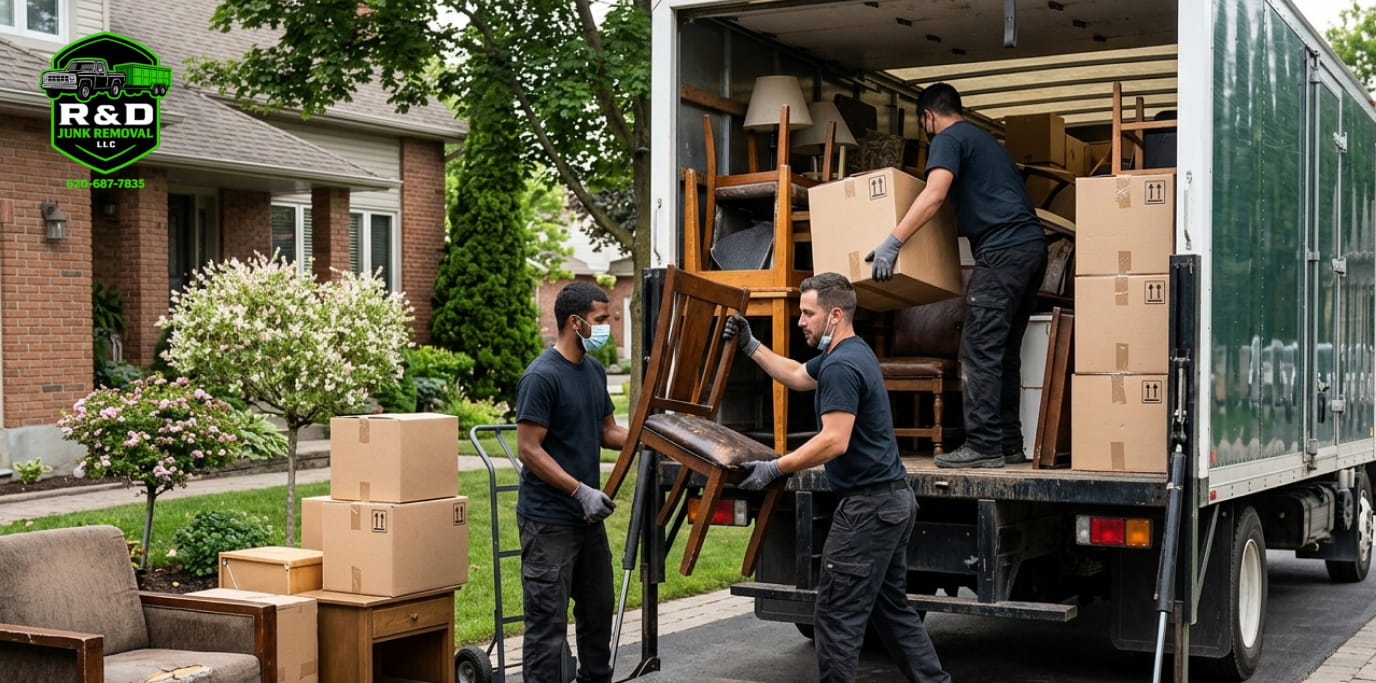
Professional junk removal prices typically range from $150 to $600 for most residential projects. For smaller tasks, like removing a single piece of furniture, the price usually starts around $75 to $100. Larger projects involving a full truckload of debris often cost between $500 and $800, depending on the location and the nature of the items.
Understanding the factors that influence the final bill helps homeowners and property managers budget effectively. This junk removal pricing guide explains how companies determine their rates, common price ranges for various items, and how to prepare for an estimate. R&D Junk Removal LLC provides this information based on standard industry practices to help consumers make informed decisions about clearing out unwanted property.
Standard pricing models for junk removal
Most companies use volume as the primary method for calculating costs. They measure how much space the items occupy in their truck. A standard junk removal truck often holds about 12 to 16 cubic yards of material. This is roughly equivalent to the volume of six to eight standard refrigerators.
Pricing typically follows a tiered structure based on truck capacity. According to data from Forbes Advisor, average junk removal prices are often divided into quarter, half, three-quarter, and full truckloads.
| Load Size | Estimated Price Range | Typical Items Included |
|---|---|---|
| Minimum Load / Single Item | $75 – $150 | A single sofa, a mattress, or a few small boxes |
| Quarter Truck | $150 – $250 | A small closet cleanout or a few pieces of furniture |
| Half Truck | $300 – $450 | Items from a single room or a large basement area |
| Three-Quarter Truck | $450 – $600 | Multiple rooms of furniture and assorted boxes |
| Full Truck | $600 – $800 | A large garage cleanout or a whole apartment’s worth of items |
Another pricing model involves bedload rates. Companies use this specifically for heavy materials like dirt, concrete, brick, or gravel. Because these materials are extremely heavy, they cannot fill a truck to the top without exceeding safety weight limits. Instead, these items are charged by the “bedload,” which usually fills the truck only about a foot deep. While volume and weight provide a baseline, several project-specific factors can further influence the total cost.
Factors that influence junk removal cost
The amount of space an item takes up is only part of the story. Several other variables impact the final quote.
Item weight and density
Weight affects the cost of disposal at the local landfill or transfer station. Junk removal companies pay fees based on the tonnage of the waste they drop off. If the items are exceptionally heavy, such as a pile of roofing shingles or old books, the price increases to cover these disposal fees and the extra wear on the vehicle.
Labor and time
The time required to move items from the property to the truck is a major factor. If the junk is scattered across a large property or located on the third floor of a building without an elevator, the labor costs will rise. R&D Junk Removal LLC accounts for the physical effort and time spent navigating stairs or narrow hallways when assessing a job.
Geographic location
Prices vary significantly by region. Operating costs, fuel prices, and disposal fees are higher in major metropolitan areas compared to rural regions. A study published by HomeAdvisor indicates that local cost of living and the distance the team must travel to the job site also shift the price range.
Common item price estimates
Some items carry fixed rates because they require special handling or have specific recycling requirements. Many states have laws regarding the disposal of electronics and appliances to prevent environmental contamination.
Large appliances
Items like refrigerators and air conditioners contain refrigerants that must be safely recovered. According to pricing details from Angi, removing a refrigerator typically costs between $100 and $150. Dishwashers, stoves, and washing machines usually cost between $75 and $125 each.
Furniture
Furniture is a common reason people hire professional help. A standard sofa or recliner typically falls into the $75 to $150 range. Large sectional sofas or heavy armoires may cost more because they take up more space and often require two or three people to move safely.
Mattresses and box springs
Disposing of mattresses has become more expensive due to recycling mandates in many areas. Expect to pay between $75 and $150 per piece. Some jurisdictions require specialized recycling facilities to break down the springs and foam, which adds to the service fee.
Bonus Tip: Check if the junk removal company offers a discount for multiple items. Often, the price for two items is significantly less than the cost of two separate single-item pickups.
Additional surcharges and fees
While most quotes cover labor, transport, and disposal, certain situations lead to extra charges.
- Tires: Most landfills charge a specific “per tire” fee. Removal companies pass this cost to the customer, often ranging from $10 to $25 per tire.
- Electronic Waste: Televisions and computer monitors containing cathode ray tubes or heavy metals require special processing. Surcharges for these items usually range from $20 to $50.
- Hazardous Materials: Most standard junk removal companies do not handle hazardous waste like wet paint, oil, chemicals, or asbestos. If specialized handling is available, costs are significantly higher due to strict safety protocols and disposal regulations.
- Distance and Fuel: If the property is far outside the standard service area, a travel fee might apply to cover the gas and time spent on the road.
Things to consider before making a decision
Before booking a service, evaluate the project to ensure the most accurate estimate and the best value.
First, consider the access points of the property. Is there a clear path for the crew to move large items? If the team has to disassemble furniture to get it through a door, this adds time to the job. Clearing a path beforehand can sometimes lower the labor portion of the quote.
Second, think about the total volume. It is often more cost-effective to wait until there is enough junk to fill at least a quarter of a truck. The minimum fee for a single item covers the truck’s arrival, insurance, and gas. Adding a few more items often only increases the price slightly because those fixed costs are already covered.
Third, verify if the company is licensed and insured. Hiring an uninsured person might seem cheaper initially, but it leaves the property owner liable for any injuries or damage that occur during the removal process. R&D Junk Removal LLC maintains proper insurance to protect both the staff and the client’s property.
Bonus Tip: Take photos of the items and send them to the company. While a final price usually requires an on-site look, photos help the company provide a much tighter estimate range and ensure they bring the right equipment.
Common Questions
Is junk removal cheaper than renting a dumpster?
For small to medium amounts of debris, junk removal is often more economical. When someone rents a dumpster, they pay for the bin, the delivery, and the pickup regardless of how much they fill it. Additionally, the customer must do all the heavy lifting. Junk removal includes the labor of carrying items out of the house.
How do companies handle items that can be recycled or donated?
Reputable companies sort through the loads. Items in good condition often go to local charities or donation centers. Metals, paper, and certain plastics are taken to recycling facilities. Only the remaining debris goes to the landfill. This practice can sometimes lower costs because recycling centers may charge lower fees than landfills for sorted materials.
Can junk removal companies take everything?
No. Most companies are prohibited from hauling hazardous materials. This includes gasoline, motor oil, pressurized tanks like propane, and biohazardous waste. Always ask about prohibited items before the crew arrives.
Pricing FAQ
Does the price include the dump fees?
Yes, a professional quote should be “all-inclusive.” This means it covers the labor, the fuel, the transport, and the fees charged by the landfill or recycling center. Always confirm this to avoid unexpected charges at the end of the job.
Why is there a minimum charge?
The minimum charge covers the basic costs of operating a professional service. This includes the time spent driving to the location, the cost of insurance, vehicle maintenance, and the wages for at least two crew members.
Do I need to be present for the junk removal?
While it is helpful to be there to point out exactly what goes and what stays, many companies offer “curbside” or “contactless” removal. If the items are outside and the company has a way to process payment, the owner does not necessarily need to be present.
How long does a typical junk removal job take?
A quarter-truck load usually takes about 20 to 30 minutes to load. A full truckload might take one to two hours, depending on how close the truck can park to the items and if any disassembly is required.
Final Considerations
The junk removal cost depends largely on the volume of material and the labor required to move it. While national averages provide a helpful baseline, the specific nature of the items and the location of the property will determine the final price. To get the best results, group items together and ensure they are easily accessible for the removal team. Evaluating different service providers based on their insurance, recycling practices, and transparent pricing models ensures a smoother experience. Always request an on-site estimate for the most accurate figure before the work begins.
Professional junk removal services
R&D Junk Removal LLC offers clear pricing and efficient service for residential and commercial needs. For those looking to clear out space without the heavy lifting, professional assistance provides a simple solution. To discuss a project or receive an estimate, contact the team at (620) 687-7835 or send an email to [email protected]. Providing detailed information about the items helps ensure an accurate quote for any cleanout task.
Sources
- Forbes Advisor – Detailed breakdown of national average costs and pricing factors for junk removal.
- HomeAdvisor – Comprehensive guide on trash and junk removal costs based on user-reported data.
- Angi – Resource for specific item removal costs and regional pricing variations.
- Fixr – Pricing analysis, including labor rates and different types of waste disposal fees.