Skip to content
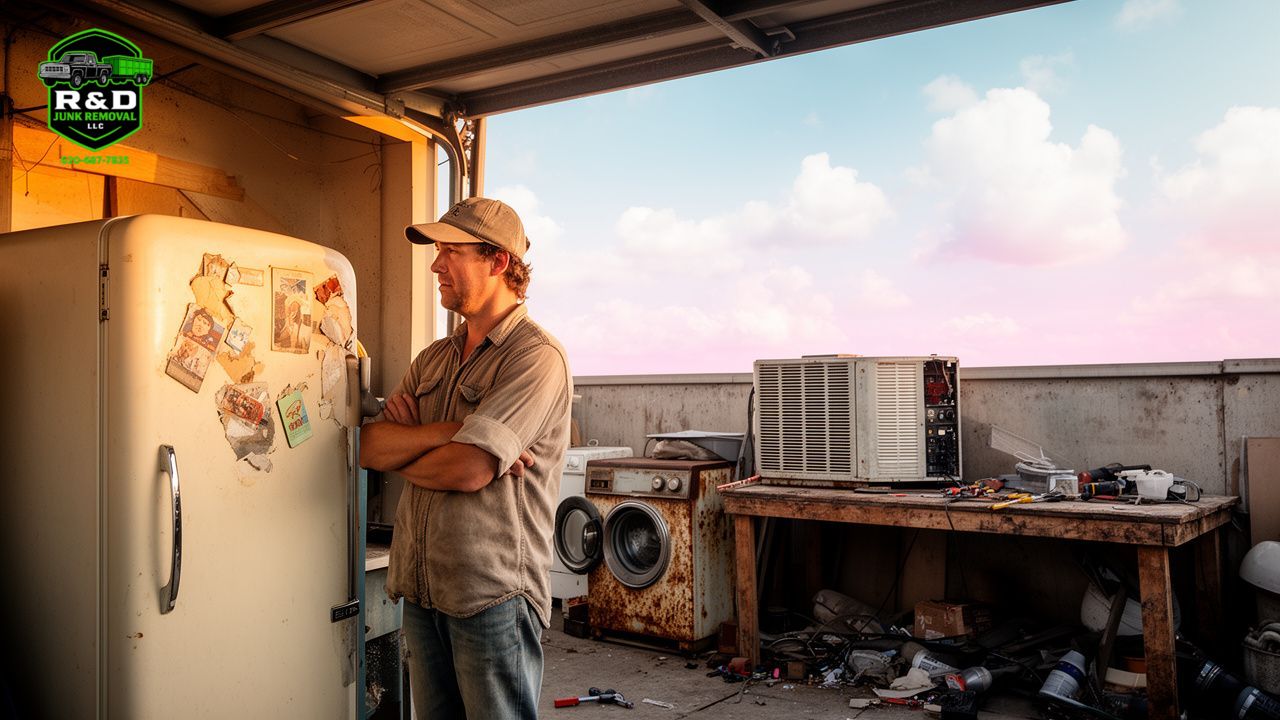
Most homeowners treat their appliances like reliable members of the household. You rely on the refrigerator to keep food fresh, the dishwasher to handle the cleanup, and the dryer to keep clothes ready for the week. However, every appliance eventually reaches the end of its functional life. When that day comes, you are left with a heavy, bulky, and potentially hazardous object that must be handled. Managing this process involves more than simply dragging a machine to the curb; it requires an understanding of safety protocols, environmental regulations, and local disposal options.
This guide provides a comprehensive look at everything involved in removing old appliances from your home. You will learn how to determine if an appliance is truly past its prime, how to prepare different types of machinery for transport, and the various ways to dispose of them responsibly. Whether you are looking to donate a working unit, recycle a broken one, or hire professional help to do the heavy lifting, this resource covers every necessary step.
We will begin with the basics of assessing your situation and then move into the technical details of disconnecting utilities. We also cover the legal and environmental aspects of disposal, which are more significant than many homeowners realize. By the end of this guide, you will have a clear plan for clearing out old equipment without risking injury or violating local codes.
The goal is to move from a state of being overwhelmed by a 300-pound refrigerator to having a clear, actionable strategy. This information is based on years of hands-on experience in the field of residential junk management and reflects the best practices used by professionals every day.
Assessing the Need for Removal: Repair vs. Replace
The first step in any appliance removal project is determining whether the machine truly needs to go. Sometimes a simple repair can extend the life of a high-end unit by several years. Other times, the cost of the repair exceeds half the cost of a new model, making replacement the more logical choice.
According to Consumer Reports, if a repair costs more than 50 percent of the price of a new appliance, you are better off replacing it. You should also consider the age of the unit. Every machine has a standard life expectancy; if your appliance is near the end of that window, a repair might only be a temporary fix before the next component fails.
Typical Life Expectancy of Major Appliances
To help you decide, it is helpful to know how long these machines usually last. Data provided by Energy Star suggests the following average lifespans:
| Appliance Type | Average Lifespan (Years) |
| Refrigerator | 10 to 14 |
| Washing Machine | 10 to 13 |
| Clothes Dryer | 10 to 13 |
| Dishwasher | 9 to 10 |
| Electric Range | 13 to 15 |
| Gas Range | 15 to 17 |
| Microwave | 7 to 9 |
If your unit is approaching or has passed these milestones, removal is likely the most cost-effective path. Newer models are significantly more energy-efficient, which means your old appliance might be costing you more in monthly utility bills than it would cost to finance a modern replacement.
Key Takeaway: Always evaluate the “50 percent rule” before committing to removal. If the repair cost is high and the machine is over ten years old, removal and replacement are usually the smartest financial moves.
Preparing for Appliance Removal: Safety First
Once you decide to remove an appliance, the preparation phase begins. You cannot simply pull a stove away from the wall and expect it to be ready for transport; each type of appliance has specific requirements for disconnection and stabilization.
Electrical Safety
Most large appliances run on 240-volt outlets or are hardwired into your home’s electrical system. Before handling any wires, ensure the power is switched off at the breaker box. For plug-in models, pull the unit out slightly and unplug it. If the cord appears frayed or the outlet shows signs of scorching, do not touch it. In these cases, you should call an electrician before proceeding with removal.
Gas Line Precautions
Gas ranges and dryers require extra care. You must shut off the gas valve, which is usually located behind the appliance or in a nearby cabinet. Once the valve is closed, disconnect the flexible gas line using a wrench. It is a good practice to use a cap to seal the gas line once the appliance is removed to prevent any residual gas from leaking into the room.
Water Lines and Drainage
Refrigerators with ice makers, washing machines, and dishwashers are all connected to your home’s plumbing.
- Shut off the water: Locate the dedicated shut-off valves for the appliance.
- Drain the lines: Even after the water is off, liquid will remain in the hoses. Keep a bucket and towels nearby to catch spills.
- Secure the hoses: Tape the disconnected hoses to the back of the appliance so they do not create a trip hazard during the move.
Expert Tip: The Tape Method
Before moving any appliance, use heavy-duty packing tape or painter’s tape to secure all moving parts. This includes taping the doors shut, securing the glass turntable inside a microwave, and fastening the power cord to the back of the unit. This prevents doors from swinging open and causing injury or property damage during transit.
Measuring and Mapping the Exit Path
A common mistake homeowners make is assuming an appliance will fit through the door just because it is already inside. Often, appliances are installed during home construction or before certain doorways were narrowed by trim or renovations.
Measure the height, width, and depth of the appliance. Then, measure every doorway, hallway, and corner the appliance must pass through to reach the exit. Do not forget to account for the handles on the appliance, as these can add two to three inches of depth.
Understanding the Environmental Impact
Removing an appliance is not just a logistical task; it is an environmental responsibility. Many older appliances contain materials that are harmful should they leak into the soil or groundwater.
Refrigerants and Greenhouse Gases
Refrigerators and air conditioners manufactured before a certain date contain chlorofluorocarbons (CFCs) or hydrochlorofluorocarbons (HCFCs). These are potent greenhouse gases that deplete the ozone layer. According to the Environmental Protection Agency (EPA), improper disposal of these units allows these chemicals to escape into the atmosphere. Federal law requires that these refrigerants be recovered by a certified technician before the appliance is scrapped.
Heavy Metals and PCBs
Older washing machines and dryers may contain components with polychlorinated biphenyls (PCBs), which are toxic chemicals. Additionally, many electronic control boards in modern appliances contain lead, mercury, and cadmium. If these end up in a landfill, they can eventually contaminate local water supplies.
The Benefits of Recycling
Recycling appliances keeps thousands of pounds of metal out of landfills. A typical refrigerator contains about 120 pounds of steel. By choosing a disposal method that prioritizes recycling, you contribute to a circular economy where these metals are melted down and used to create new products.
Exploring Your Disposal Options
Homeowners have several paths for getting rid of an old appliance. The best choice depends on the condition of the unit and the amount of physical labor you are willing to perform.
1. Manufacturer or Retailer Haul-Away
When you buy a new appliance, many retailers offer a haul-away service for a small fee, often ranging from $30 to $100. This is generally the most convenient option if you are replacing the unit immediately. However, some retailers have strict rules; they might refuse to take an appliance that is not disconnected or one that is located in a basement with narrow stairs.
2. Donation to Charities
If your appliance still works and is in decent aesthetic condition, donating it is a great way to help the community. Organizations like Habitat for Humanity or local thrift stores often accept working appliances.
- Pros: You get a tax deduction while helping someone in need.
- Cons: You usually have to transport the appliance to the donation center yourself. Some charities offer pickups, but they may have a long waiting list.
3. Selling the Unit
For high-end appliances that are only a few years old, selling on platforms like Facebook Marketplace or Craigslist can recoup some of your original investment. Be honest about the condition and age of the unit, and specify whether the buyer is responsible for moving the appliance out of your house.
4. Municipal Bulk Pickup
Many cities offer bulk trash pickup days where they will take large items from the curb.
- Check Local Rules: Some cities require you to purchase a special “tag” for appliances containing Freon.
- Curbside Only: You are responsible for getting the heavy machine from your kitchen to the curb, which is often the most difficult part of the process.
5. Professional Junk Removal Services
For most homeowners, hiring a professional junk removal company is the safest and most efficient route. A company like R&D Junk Removal LLC can handle the heavy lifting, the stairs, and the transport. This eliminates the risk of you injuring your back or scratching your floors.
Comparison of Disposal Methods
| Method | Cost | Effort Level | Environmental Impact |
| Retailer Haul-Away | Low to Moderate | Low | High (Usually Recycled) |
| Donation | Free | High | High (Extended Use) |
| Selling | You Get Paid | High | High (Extended Use) |
| Municipal Pickup | Low | Very High | Variable |
| Professional Junk Removal | Moderate | Very Low | High (Properly Processed) |
The Logistics of Moving Heavy Appliances
If you decide to move the appliance yourself, you need the right tools. Attempting to “walk” a washing machine across a hardwood floor will likely leave permanent gouges.
Essential Equipment
- Appliance Dolly: This is a heavy-duty upright cart with straps. Unlike a standard hand truck, an appliance dolly is designed to support the weight of a fridge or stove and has “stair climbers” on the back to help navigate steps.
- Furniture Sliders: These plastic or felt pads go under the legs of the appliance, allowing it to slide easily across flat surfaces without damaging the floor.
- Plywood Sheets: If you have to move a heavy unit over a carpeted area or a delicate floor, laying down thin sheets of plywood creates a smooth, hard path for the dolly.
- Lifting Straps: These are worn by two people and use leverage to distribute the weight of the appliance, making it easier to lift.
Proper Lifting Technique
Never lift an appliance with your back; always bend at the knees and keep your core tight. If you are using a dolly, tilt the appliance back slowly and let the wheels take the weight. Always have a second person acting as a spotter, especially when navigating stairs or tight doorways.
Expert Tip: Floor Protection
Before the move begins, lay down a path of heavy cardboard or Ram Board from the appliance to the exit. Even if you are using a dolly, dirt or small pebbles caught in the wheels can ruin a hardwood or tile floor in seconds. Covering the floor is a cheap insurance policy against expensive property repairs.
Specialized Removal Scenarios
Not all appliances are created equal. Some require specific steps that go beyond general advice.
Refrigerators and Freezers
Refrigerators must be emptied and defrosted at least 24 hours before removal. If you don’t defrost the unit, it will leak water all over your floors and the transport vehicle. Once defrosted, wipe down the interior to prevent odors and mold from growing while the unit is in transit.
Built-in Dishwashers
Dishwashers are often “integrated” into the cabinetry, meaning they are screwed into the underside of the countertop and the surrounding cabinets. You must remove these screws before the unit will budge. Additionally, the drainage hose is often looped high under the sink to prevent backflow; you must unhook this and pull it through the cabinet wall as you slide the dishwasher out.
Stacked Washer/Dryer Units
These are notoriously difficult because of their height and top-heavy nature. In most cases, the dryer is a separate unit that sits on a rack or is bolted to the top of the washer. It is much safer to separate the two units before attempting to move them. Removing the dryer first lowers the center of gravity and makes the process manageable.
Market Trends in Appliance Disposal and Recycling
The appliance removal industry is evolving as technology and environmental awareness grow. According to a market analysis by Grand View Research, the global waste management market is seeing a shift toward specialized recycling for e-waste and large household appliances. This is driven by stricter government regulations regarding landfill contents.
Homeowners are also becoming more conscious of the “Right to Repair” movement. As discussed by The New York Times, new executive orders and state laws aim to make it easier for consumers to fix their own appliances rather than throwing them away. This may eventually change how often we need removal services, but for now, the trend remains focused on replacing aging, inefficient units with smart-home compatible models.
Key Takeaway: The move toward “Smart Appliances” means that removal now often involves handling sensitive electronic components. Ensuring these are recycled properly is the only way to prevent toxic heavy metals from entering the environment.
Common Challenges and How to Overcome Them
Even with a perfect plan, appliance removal can hit snags. Knowing how to handle these common issues will save you time and frustration.
The “Stuck” Appliance
Over years of use, kitchen spills can seep under an appliance, essentially “gluing” it to the floor. If a machine won’t budge, do not use brute force, as you might rip the flooring. Instead, use a long, thin putty knife to break the seal around the base or spray a small amount of soapy water to lubricate the area.
Narrow Basements and Tight Turns
In older homes, appliances were often put in the basement before the house was finished. This can lead to a situation where the new furnace or water heater blocks the exit path for the old one. If an appliance physically cannot fit through a door, you may need to disassemble it. Removing the doors from a refrigerator or the top panel from a washing machine can often shave off the inch or two needed to clear a tight corner.
Pest Issues
It is an unpleasant reality that the warm, dark space behind a refrigerator or under a stove can attract pests. When you move an old appliance, be prepared for what you might find. Have a vacuum and cleaning supplies ready. If you find signs of an infestation, treat the area immediately before the new appliance is installed.
Financial Considerations: The Real Cost of Removal
When budgeting for your project, consider both the direct and indirect costs.
- Direct Costs: This includes the fee for a junk removal service, the cost of renting a dolly, or the “haul-away” fee from a retailer.
- Time Costs: Moving a heavy appliance yourself can take several hours of labor, including the time spent researching disposal sites and transporting the unit.
- Risk Costs: This is the “hidden” cost of potential damage. A scratched floor, a dented wall, or a strained back can end up costing significantly more than a professional removal service.
Using a professional service like R&D Junk Removal LLC provides a flat-rate price that covers labor, transportation, and disposal fees. This often ends up being the most economical choice when you factor in the value of your time and the avoidance of property damage.
Frequently Asked Questions About Appliance Removal
Can I leave my refrigerator on the curb for regular trash pickup?
In most jurisdictions, no. Most waste management companies will not take appliances containing refrigerants without prior arrangement and a certification that the gases have been removed. Always check with your local municipality first.
Do I need to clean the appliance before it is removed?
If you are donating the unit, it should be thoroughly cleaned. If it is being hauled away for scrap or recycling, a basic wipe-down is sufficient, but you must ensure it is empty of food, water, or clothing.
What happens to my appliance after it is picked up?
Professionals typically take the units to a specialized processing facility. There, hazardous materials like Freon and mercury are removed. The remaining metal is then crushed and sent to a foundry to be recycled into new steel and aluminum products.
Is it dangerous to remove an old gas stove myself?
It can be if you are unfamiliar with gas connections. If the shut-off valve is old and “frozen,” trying to force it can cause a leak. If you have any doubts about your ability to safely cap the gas line, hire a professional.
How much does professional appliance removal usually cost?
Prices vary based on the size of the appliance and the complexity of the move (e.g., stairs). Generally, you can expect to pay between $75 and $150 for a single large appliance, with discounts for multiple items.
Can I recycle a microwave?
Yes. Microwaves are considered e-waste because they contain high-voltage transformers and electronic boards. They should never be thrown in the regular trash. Most appliance removal services and many e-waste drop-off centers will accept them.
Putting Your Appliance Removal Strategy into Action
Getting rid of an old appliance is a significant task, but it marks the beginning of a more efficient and functional home. By following the steps in this guide, you can ensure the process is handled safely and responsibly.
Start by assessing your current machine. Use the age and repair cost to decide if it is time for a change. If removal is the path forward, prepare the unit by safely disconnecting all power, gas, and water lines. Measure your exit path to avoid any surprises on moving day.
Consider the disposal method that best fits your needs. If the unit still works, try to keep it out of the landfill by donating or selling it. If it is broken, prioritize recycling to protect the environment. If the physical labor or the logistics of transport seem too daunting, do not hesitate to call in the experts.
Removing that old, bulky eyesore from your home will free up space and provide peace of mind. Whether you do it yourself or hire a service, the key is to be methodical, prioritize safety, and respect environmental regulations.
Need Expert Guidance?
If the thought of moving a heavy refrigerator down a flight of stairs or dealing with gas line disconnections feels overwhelming, professional help is available. R&D Junk Removal LLC specializes in safe, efficient appliance removal and disposal. We ensure that your old machines are recycled properly while protecting your home from damage during the process.
For a consultation or to schedule a pickup, you can reach R&D Junk Removal LLC at (620) 687-7835 or via email at [email protected]. Let us handle the heavy lifting so you can focus on enjoying your updated living space.
Sources
- Consumer Reports – A guide on determining when to repair an appliance versus when to replace it.
- Energy Star – Data regarding the average lifespan and energy efficiency of modern household appliances.
- Environmental Protection Agency (EPA) – Information on the Responsible Appliance Disposal (RAD) program and the hazards of refrigerants.
- Grand View Research – Market analysis of the global waste management and recycling industry.
- The New York Times – An overview of the Right to Repair movement and its impact on consumer appliance ownership.