Skip to content
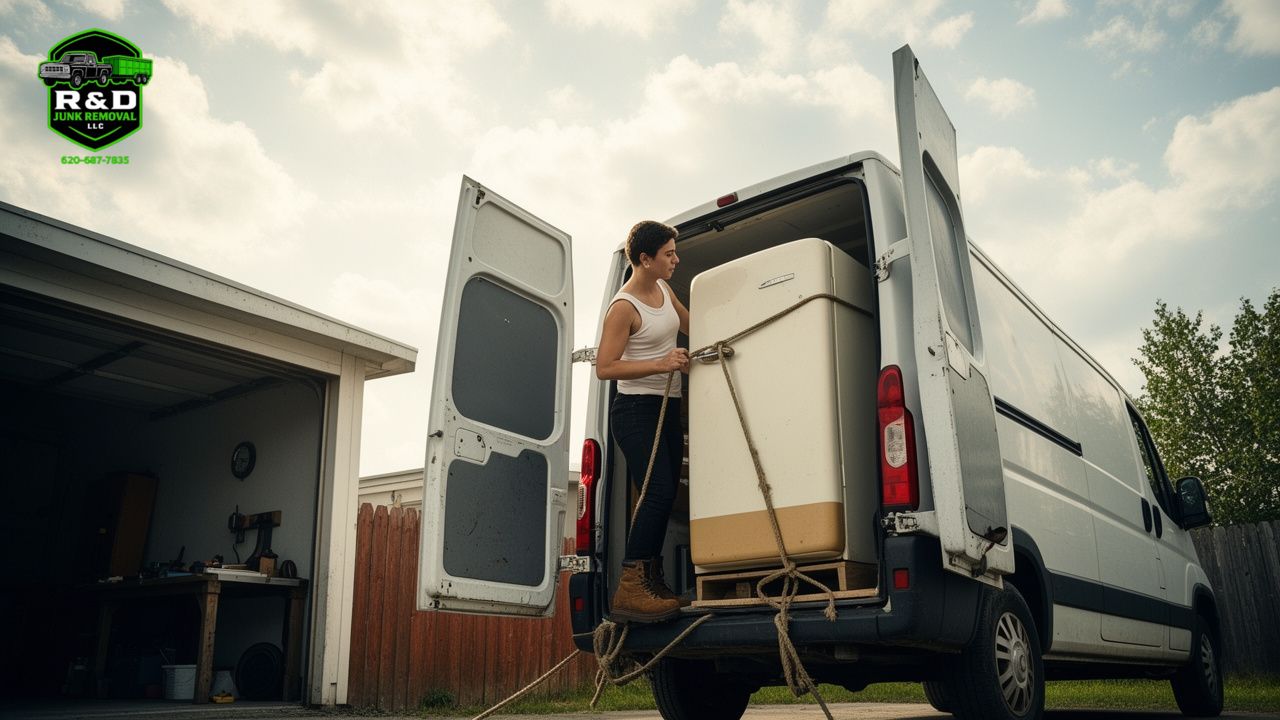
Safe appliance disposal requires a systematic approach that prioritizes environmental protection and physical safety. To handle old equipment responsibly, homeowners must choose between donating working units, utility bounty programs, or professional appliance removal services for broken or hazardous items. The primary goal is to ensure that refrigerants, heavy metals, and oils are extracted correctly before the metal shells are sent for scrap recycling.
This guide provides the specific steps and options available for managing heavy household goods. R&D Junk Removal LLC provides this information based on extensive field experience in waste management and equipment transport. Following these protocols prevents illegal dumping and ensures that dangerous chemicals do not enter the local soil or water supply.
Immediate Steps for Safe Appliance Disposal
Before moving any heavy machinery, take time to prepare the unit. Disconnecting power and water lines is the first requirement. For refrigerators and freezers, the Environmental Protection Agency recommends tape or zip-ties to secure doors, preventing children or animals from becoming trapped inside. If the unit will sit outside for any period, removing the doors entirely is the safest practice.
Once the unit is secured, focus on the logistics of extraction. Preparing for appliance pickup and removal involves clearing a path. Measure doorways and hallways to ensure the item fits through the exit without damaging walls or floors. Using a heavy-duty dolly is better than sliding items, as sliding often ruins linoleum or hardwood surfaces. If the item contains water, such as a dishwasher or washing machine, drain the hoses completely into a bucket to avoid slipping hazards during the move.
Environmental Impact of Improper Disposal
Large household machines are not simple scrap metal. Many contain substances that require specialized handling. Older refrigerators and air conditioners often use ozone-depleting substances or high global warming potential refrigerants. According to data from the Environmental Protection Agency, the Responsible Appliance Disposal program has successfully processed millions of units, preventing the release of greenhouse gases equivalent to the emissions of millions of cars.
Beyond gases, appliances contain oils, mercury in switches, and lead in circuit boards. When these items end up in standard landfills, the casings eventually corrode. This allows toxic materials to leach into the ground. Professional appliance recycling services use industrial shredders and separators to recover up to 95 percent of the materials in a typical unit, including steel, plastic, and glass.
Comparing Appliance Disposal Options
Choosing the right method depends on the condition of the machine and the available budget. The following table summarizes these options, which are explored in further detail in the sections below.
| Disposal Method | Ideal Condition | Typical Cost | Environmental Benefit |
|---|---|---|---|
| Donation | Fully Functional | Free (Tax Deductible) | Extends product life |
| Utility Bounty Program | Working Fridges | Pays the owner | High energy savings |
| Retailer Take-Back | New Purchase | $20 to $50 | Reliable recycling |
| Junk Removal for Appliances | Any Condition | Service Fee | Professional handling |
| Municipal Collection | Broken/Old | Free to $30 | Basic metal recovery |
Utilizing Utility Rebate Programs
Many local power companies offer incentives to remove old, energy-inefficient refrigerators and freezers from the power grid. A report by Energy Star notes that an older refrigerator can cost over $100 per year in electricity compared to modern, efficient models. To encourage recycling, some utilities will pick up the working unit for free and provide a cash rebate.
These programs usually have strict requirements. The unit must typically be within a certain size range and must be in working condition. This is an excellent way to handle refrigerator removal service needs while getting a small financial return. Check with local energy providers to see if these programs are active in the area.
Professional Junk Removal for Appliances
When an appliance is too heavy to move or the owner lacks a vehicle for transport, hiring a professional service is the most efficient choice. Appliance removal services handle the heavy lifting, loading, and transport to a certified recycling facility. This path is especially helpful for basement laundry sets or units located on upper floors, where the risk of injury is high.
R&D Junk Removal LLC observes that many residents choose professional help to avoid the strict rules of municipal curbside pickup. Most city waste programs require residents to move the heavy items to the curb themselves and may only pick up on specific days of the month. A private service offers more flexibility and ensures the item is not left on the street, where it could become a neighborhood eyesore or a safety hazard.
Things to Consider Before Making a Decision
Several factors influence which disposal method is best for a specific situation.
- Functional Status: If the machine works perfectly, donation to a local charity is the best choice. Organizations like Habitat for Humanity often accept working appliances to resell in their home improvement stores.
- Size and Weight: A standard cast-iron stove or a commercial-grade refrigerator requires professional equipment and multiple people to move safely.
- Hazardous Materials: Units built before 1995 are more likely to contain hazardous insulation or refrigerants that require specialized recycling centers.
- Local Regulations: Many states have banned large appliances from landfills. In these areas, documented recycling is mandatory.
Bonus Tip: Before calling for a professional appliance removal service, check if the manufacturer has a dedicated recycling program. Some high-end brands offer free recycling for their own products as part of their sustainability initiatives.
Technical Preparation for Specific Appliances
Different machines require different preparation steps before they are ready for old appliance disposal.
Cooking Ranges and Ovens
For gas stoves, the gas line must be shut off at the valve and disconnected using a pipe wrench. The open gas line on the wall should be capped for safety. Remove all loose grates, broiler pans, and racks from the inside and pack them separately or tape them down so they do not shift during transport.
Washing Machines and Dryers
Dryer vents often accumulate highly flammable lint. Disconnect the vent hose and vacuum the area. For washing machines, the drum should be secured. Some machines come with “shipping bolts” that lock the tub in place. If these are missing, stuffing the gaps around the drum with heavy blankets can prevent the tub from banging against the frame and causing damage during the move.
Microwaves and Small Appliances
While often ignored, small appliances are considered electronic waste (e-waste). Unlike larger “white goods,” e-waste requires distinct handling processes. Information from Earth911 suggests that microwaves contain high-voltage capacitors that can hold a dangerous electrical charge even after being unplugged for days. These should never be disassembled by an amateur. Instead, take them to a dedicated e-waste drop-off point.
Common Questions About Appliance Handling
Many people wonder if they can make money by selling their old machines to a scrap yard. While appliances are mostly steel, the current market price for light iron is often low. After the cost of fuel and the time spent hauling the item, the profit is usually minimal. Furthermore, scrap yards may refuse refrigerators or air conditioners unless the owner provides proof that the refrigerant was recovered by a certified technician.
Another common question involves the safety of leaving items on the curb with a “free” sign. While this often results in a quick pickup by scrap metal collectors, there is no guarantee the item will be handled responsibly. Unregulated scrapers might vent refrigerants into the air or dump the non-metal parts in wooded areas to avoid landfill fees. Using verified appliance recycling services is the only way to be certain the item is managed correctly.
Bonus Tip: If donating an appliance, always ask for a receipt. The fair market value of a working appliance can often be used as a tax deduction, which might provide more financial value than selling it for scrap.
Helpful Answers for Residents
Can I put my old refrigerator in the trash?
No. Most municipal waste services will not take refrigerators with regular household trash due to the hazardous gases inside. Federal law requires the safe recovery of these gases. You must schedule a special pickup or use a professional removal service.
How do I find a local recycling center?
Resources like the EPA’s RAD Partner Map help locate certified recyclers who follow strict environmental guidelines. Many local hardware stores also host recycling events during the spring and fall.
What happens to the plastic parts of the appliance?
In a dedicated recycling facility, the unit is shredded. Magnets pull out the steel, while systems using air or water separation sort the plastics and non-ferrous metals. The plastics are often pelletized and used to create new consumer products or car parts.
Do I need to clean the appliance before disposal?
While it does not need to be spotless, removing food debris from refrigerators and lint from dryers is a courtesy to the handlers. It also prevents odors and pests while the item waits for pickup.
Summary of Responsible Disposal
Managing old household equipment requires balancing convenience with environmental safety. The most effective strategy involves identifying whether the item is fit for donation or if it requires specialized recycling. By securing doors, draining fluids, and choosing certified appliance removal services, homeowners protect both their property and the local environment. Always verify that a chosen service provider uses legitimate recycling facilities to ensure the metal and chemicals are processed according to modern safety standards. Evaluate the weight of the items and the complexity of the move before attempting a DIY disposal.
Contact Professional Support
R&D Junk Removal LLC provides expert assistance for those needing reliable appliance pickup and removal. The team handles the physical labor and ensures every item reaches the correct recycling or donation center. For questions about specific items or to schedule a pickup, contact [email protected] or call (620) 687-7835 to speak with a representative.
Sources
- Environmental Protection Agency – Overview of the Responsible Appliance Disposal (RAD) program and the environmental impact of refrigerants.
- Energy Star – Information on the energy savings of recycling old refrigerators and finding utility rebates.
- Habitat for Humanity – Guidelines for donating working appliances to nonprofit home improvement centers.
- Earth911 – A comprehensive guide on how and where to recycle various types of large household appliances.
- Association of Home Appliance Manufacturers – Technical data regarding appliance life cycles and manufacturing sustainability.