Skip to content
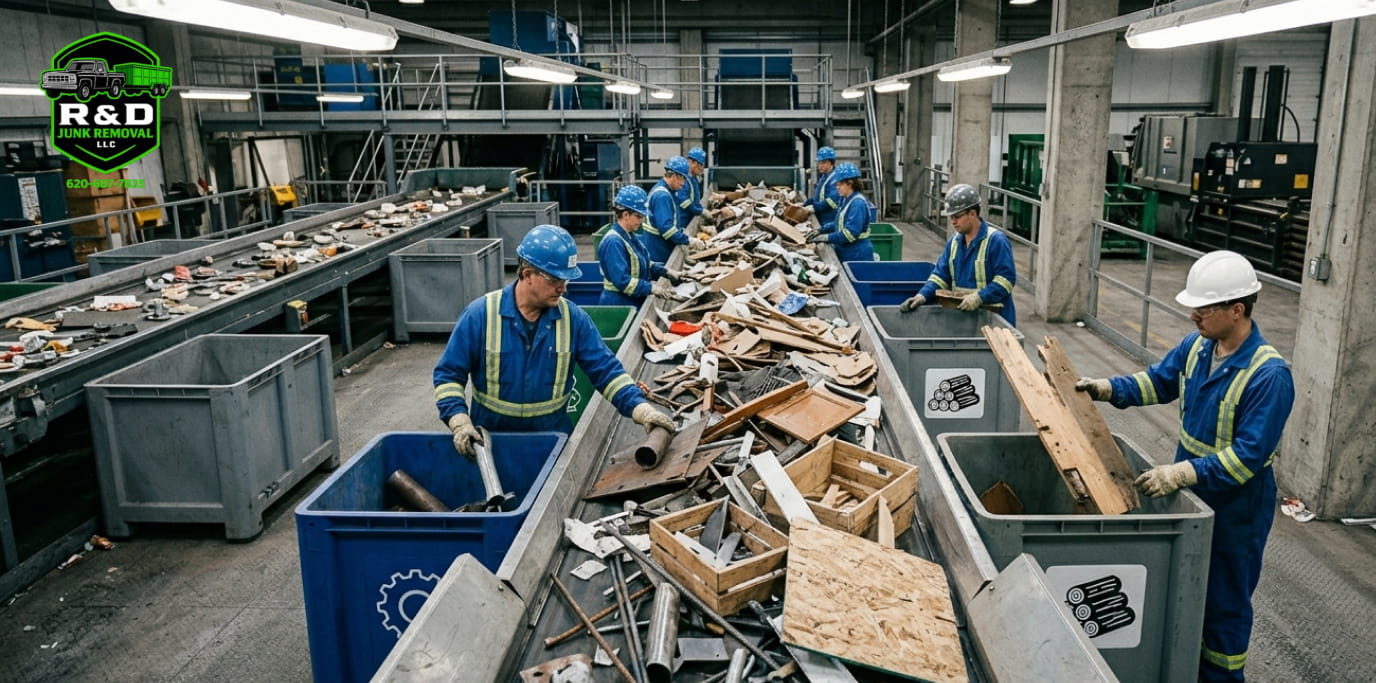
Junk goes through a rigorous sorting process where items are separated into three primary streams: donation for reuse, materials for recycling, and residual waste for disposal. Once a truck is loaded, the inventory moves to a transfer station or sorting facility where staff identify salvageable goods and raw materials. Metals, plastics, wood, and paper are extracted to return to the manufacturing cycle, while functional household items are routed to local charities. Only items that cannot be repurposed or recycled end up in a landfill.
Professional junk management focuses on diverting as much weight as possible from the waste stream. R&D Junk Removal LLC uses years of practical field knowledge to ensure that every load undergoes a thorough evaluation. This systematic approach reduces the environmental footprint of household and commercial cleanouts by prioritizing the junk recycling process and junk donation options. This guide provides a detailed look at the stages of waste management after junk removal.
Initial Sorting and Classification
The junk sorting and processing phase begins the moment items arrive at a processing center. Mixed loads contain everything from broken furniture to old electronics. Workers sort these items by hand or use mechanical separators like magnets and screens to pull out high-value materials. This step is the most labor-intensive part of the cycle because contamination can ruin entire batches of recyclable goods.
Separating items at the source often makes this process more efficient. When a removal team picks up a load, they often pre-sort items on the truck. They keep heavy scrap metal separate from soft goods like mattresses or clothing. This early organization ensures that materials reach the correct secondary processing facility without extra handling.
Where Reusable Goods Go
Donation versus disposal decisions rely on the physical condition and safety of the items. Items in good working order do not belong in a landfill. Instead, they move toward local donation centers, shelters, or non-profit thrift stores. According to Charity Navigator, donating used goods provides a dual benefit by supporting social programs and keeping functional items out of the waste cycle.
Commonly donated items include:
- Solid wood furniture without major damage.
- Working appliances like microwaves or small refrigerators.
- Clean clothing and linens.
- Kitchenware and household tools.
Bonus Tip: Before a pickup, check if any upholstered items have stains or tears. Most donation centers have strict hygiene standards and will reject furniture with visible damage or odors.
Processing Recyclable Materials
Eco-friendly junk removal depends heavily on the recycling infrastructure for specific materials. Metals are the most successfully recycled items because they do not lose quality during the melting process. Steel, aluminum, and copper go to specialized scrap yards. Wood that is not treated with chemicals can be ground into mulch or used for particleboard.
Electronics require a more specialized junk recycling process. Known as e-waste, these items contain heavy metals like lead and mercury that are dangerous if left in a landfill. Specialized recyclers strip computers and televisions for their circuit boards, wires, and glass. According to data from the Environmental Protection Agency, recycling one million laptops saves the energy equivalent to the electricity used by thousands of homes in a year.
Material Path Comparison
| Material Type | Primary Path | Processing Method |
|---|---|---|
| Ferrous Metals | Recycling | Melting and Re-shaping |
| Clean Cardboard | Recycling | Pulping for New Paper |
| Working Electronics | Donation or E-Recycle | Component Extraction |
| Upholstered Furniture | Disposal or Donation | Landfill or Steam Cleaning |
| Concrete and Brick | Recycling | Crushing for Road Base |
Final Disposal for Residual Waste
Despite best efforts, some items must go to a landfill. These are usually composite materials that are too expensive or physically impossible to separate. Examples include pressure-treated lumber, heavily soiled carpets, and certain types of low-grade plastics. In these cases, junk disposal methods follow local municipal regulations to ensure the waste is buried safely and does not contaminate groundwater.
Modern landfills are more than just holes in the ground. They use liners and methane capture systems to manage the environmental impact of decomposing trash. However, because landfill space is limited and disposal fees continue to rise, the industry continues to look for ways to turn even residual waste into energy through incineration or other advanced technologies.
Statistics on Modern Waste Management
The scale of waste management is massive. According to a report from the World Bank, global waste generation is expected to increase significantly by 2050 unless recycling and reduction efforts improve. Locally, the success of a junk removal service is measured by its diversion rate, which is the percentage of junk kept out of landfills.
In the United States, the Environmental Protection Agency tracks the generation and recycling of various products. Their data shows that while paper and metal have high recovery rates, plastics and food waste still present challenges. Professional junk removal helps bridge this gap by manually extracting these materials from mixed loads that homeowners might otherwise throw in the trash.
Factors to Weigh Before Junk Pickup
Deciding where junk goes after pickup often starts with the homeowner. Before a professional team arrives, several factors influence how easily items can be diverted from the landfill.
- Material Integrity: Is the wood rotted or the metal rusted through? Severely degraded materials are harder to recycle.
- Safety and Hazards: Items containing oil, gas, or chemicals require special handling and cannot go in a standard junk truck.
- Volume and Weight: Large quantities of a single material, like a pile of concrete, are easier to route directly to a recycling plant.
- Local Infrastructure: Some regions have better facilities for glass or textile recycling than others.
Bonus Tip: Grouping similar items together in a garage or driveway streamlines the pickup process, allowing the removal team to quickly identify donation-worthy goods versus disposal items.
Direct Answers for Common Junk Concerns
How is e-waste handled differently?
E-waste goes to certified facilities that follow strict environmental laws. These plants use shredders and manual disassembly to recover gold, silver, and copper from circuit boards while safely disposing of hazardous chemicals.
Can old mattresses be recycled?
Yes, many components of a mattress are recyclable. Specialized facilities cut open the fabric to remove the metal springs and foam. The wood frame is often chipped for fuel or mulch.
What happens to old tires?
Tires are rarely sent to landfills because they trap gases and can “float” to the surface. They are usually shredded for use in rubberized asphalt, playground surfaces, or burned as tire-derived fuel in industrial kilns.
Why is metal so valuable in the recycling process?
Metal can be recycled infinitely without losing its properties. Producing new metal from scrap uses significantly less energy than mining and refining raw ore, making it a high-priority item for any removal service.
Direct Guidance for Efficient Junk Removal
Handling unwanted items requires a clear plan to ensure the best outcome for the environment. R&D Junk Removal LLC suggests starting with an inventory of what can be saved. If an item has sentimental value but no practical use, consider if the raw materials can be salvaged. When looking at recycling versus landfill junk, always lean toward the option that keeps the material in use the longest.
The junk disposal methods used today are much more advanced than those of the past. By choosing a service that understands the junk sorting and processing stage, people ensure their old items contribute to a circular economy rather than a growing pile of trash. Evaluate the condition of the items and clear a path for the removal team to make the process as fast as possible.
Direct Support for Your Project
R&D Junk Removal LLC provides professional assistance for those who need to clear out space quickly and responsibly. The team handles the heavy lifting and ensures that every item follows the most appropriate path, whether that involves local charities or specialized recycling centers. This expert management minimizes the environmental impact of your cleanout. If you have questions about specific items or want to schedule a pickup, contact the office at (620) 687-7835 or send an email to [email protected] for more information.
Sources
- Environmental Protection Agency – Federal agency providing data on recycling rates, e-waste impacts, and landfill regulations in the United States.
- Charity Navigator – An organization that evaluates non-profits and provides guidance on the impact of donating household goods.
- World Bank – A global institution offering comprehensive reports on waste generation trends and international management strategies.